Increase Shop-Floor Throughput With Manufacturing Consulting
When output is being lost between setup, machining, inspection, and scheduling, the next step is to identify where the work is actually waiting. The Streamline Group offers manufacturing consulting for CNC shops and plants across the United States, with service options focused on setup time, workflow, tooling, equipment decisions, training, and throughput.
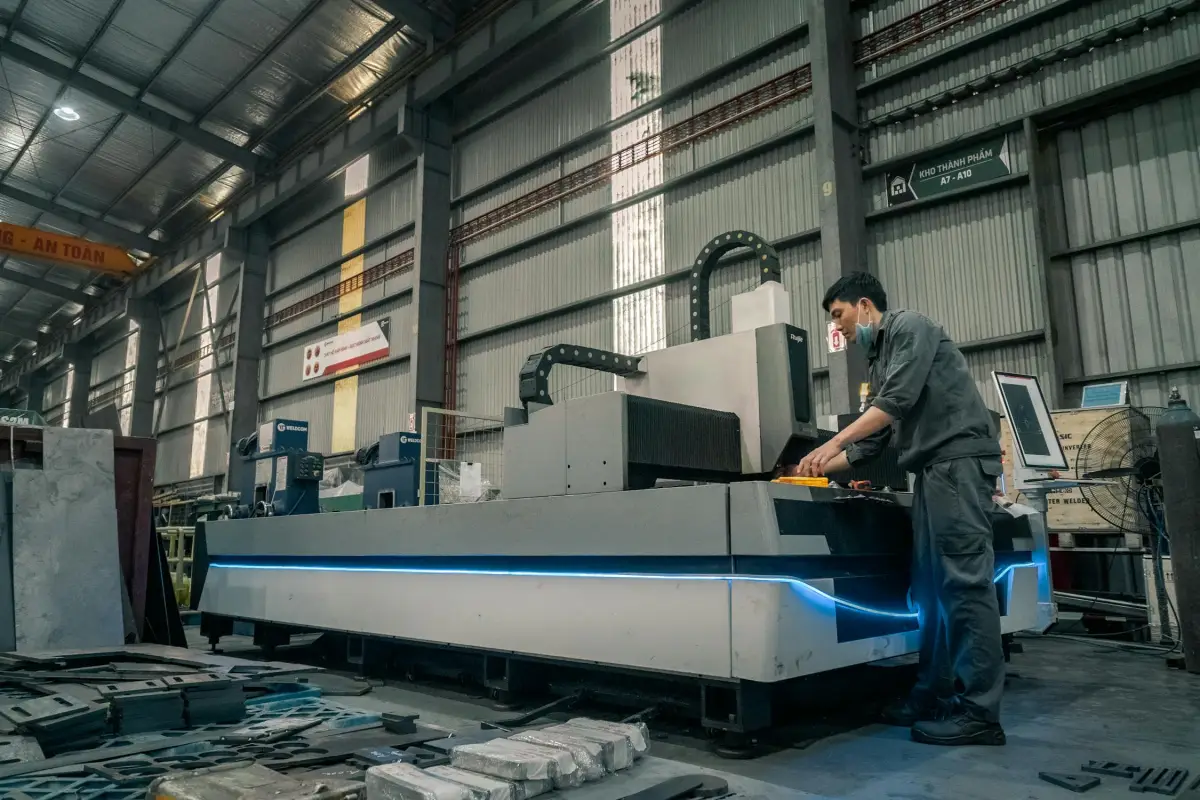
Live production observation keeps the first move tied to the real bottleneck.
Setup flow, staging, tooling, and training are built for daily use.
Projects focus on practical gains before another machine purchase.
Manufacturing Consulting That Finds the Constraint Before You Add Capacity
Serving manufacturers across the United States, The Streamline Group provides hands-on manufacturing consulting for CNC job shops, OEM suppliers, and growing plants. The work begins with live production—not a generic improvement checklist—to identify where spindle time, labor, material flow, or scheduling discipline is limiting usable capacity.
For Manufacturing facilities, a first visit can center on the setup, machine, part family, queue, or shift handoff most likely to reveal the loss. For manufacturers elsewhere in the country, a discovery call can narrow the observation window before on-site travel. Available setup ranges, downtime notes, late-order patterns, quality holds, and operator observations can help define the baseline, but perfect data is not required to start the conversation.
- Locate the constraint across machines, setups, routing, inspection, and production handoffs.
- Recover spindle time by moving repeatable staging and preparation outside machine downtime.
- Stabilize daily execution with better tooling, workholding, operator training, and standard work.
- Prioritize the next move before committing to another machine, more labor, or a broad improvement program.
Whether the priority is higher throughput, shorter setup time, or more consistent CNC performance, the result is a clear improvement sequence your operators and supervisors can repeat under normal production pressure.

Manufacturing Consulting Services for Throughput, Setup, and CNC Performance
Choose a focused service when your team needs better flow, shorter changeovers, stronger CNC performance, more reliable tooling, or repeatable operator methods. Each path connects to the same goal: more usable capacity from the equipment, people, and processes already in place. Compare all manufacturing consulting services.

Shop Floor Optimization
Identify bottlenecks, rebalance work cells, and improve the flow of material, information, and work so the constraint spends more time producing.
Learn more →
Setup Reduction
Move repeatable preparation outside machine downtime and tighten tooling, fixturing, offsets, staging, and first-piece checks as one changeover system.
Learn more →
On-Site Manufacturing Training
Hands-on operator and supervisor training conducted at your facility, using your machines and your parts — not a generic curriculum.
Learn more →
Engineered Tooling Solutions
Custom fixture design, tool selection optimization, and workholding strategies that reduce cycle time and improve part quality.
Learn more →
Machine Tool Evaluation
Objective assessment of your CNC equipment — capability, utilization, and whether your machines match your current and future part mix.
Learn more →For High-Mix CNC Shops, OEM Suppliers, and Growing Plants
We work with manufacturers who know their existing equipment and people can produce more, but need a clearer system for finding and fixing the constraint.

High-mix CNC shops
CNC Job Shops Fighting Setup Pressure
High-mix shops often lose margin in the handoffs between quoting, routing, programming, setup, inspection, and shipping. The Streamline Group helps these teams reduce changeover friction, protect spindle time, and bring repeatability to the jobs that keep moving through the schedule.
CNC consulting for job shops →
Supplier operations
OEM and Tier-1 Suppliers That Need Stable Output
Complex, tight-tolerance parts need more than hard work from operators. We review the practical conditions that drive consistency: first-article approval, inspection timing, tool life, fixture repeatability, machine capability, standard work, and supervisor follow-through.
Review machine capability →
Growing manufacturers
Teams That Added Capacity But Still Feel Behind
Adding machines and people does not automatically improve flow. When the operating system does not change with growth, queues get longer and priorities become harder to see. We help leadership align part families, schedules, staging, and training around the constraint that controls throughput.
Improve manufacturing efficiency →From Shop-Floor Observation to Repeatable Improvement
Each engagement narrows the work to the floor conditions that control capacity, then turns those findings into changes your team can run during normal production.
-
01
Observe Live Work
Walk the floor, review the schedule, and watch the machine, tooling, inspection, and staging points that affect output.
-
02
Measure the Constraint
Separate symptoms from the setup, machine, queue, routing, training gap, or tooling issue costing capacity.
-
03
Implement on the Floor
Revise setup flow, staging, standard work, fixture use, tooling choices, and supervisor routines with the people who run them.
-
04
Train for Repeatability
Document the improved method and train operators, leads, and supervisors so the gains hold after the visit.

Manufacturing Consulting Built Around Active Production
We work on your floor, not from a conference room. Each engagement begins with live production observation, operator input, and clear measurement of the constraint that is limiting throughput.
Practical changes built for active production. Recommendations are shaped around your machine capacity, part families, fixture limits, inspection needs, operator skill, and delivery commitments.
Knowledge transfer is built in. We do not create dependency. Every engagement includes training, standard work, or a handoff plan so your team can sustain the improvements after we leave.
Focused scope. The proposal should identify who will perform the work, who will make decisions, and who will receive each deliverable.
Learn more about The Streamline Group, review our nationwide service area, or compare related services such as manufacturing efficiency consulting and throughput improvement.

Engagement outcomes
Clearer Constraints, Better Methods, Stronger Handoffs
Manufacturers do not need another generic recommendation list. They need a practical action plan and methods their team can run when production pressure returns.
- Constraint clarity
- Improvement work is aimed at the machine, setup step, queue, tooling issue, or training gap actually limiting output.
- Implemented changes
- Setup flow, staging discipline, tooling choices, cell balance, and operator routines are revised on live shop-floor work.
- Knowledge transfer
- Operators, leads, and supervisors leave with documented methods and a shared reason for protecting the new process.
Manufacturing Consulting FAQ for Shop and Plant Leaders
Manufacturing consulting can include live production observation, constraint analysis, setup and workflow review, CNC process evaluation, tooling and workholding review, operator training, and standard work. The scope should follow the production problem rather than force every shop into the same improvement program.
Manufacturing consulting can recover capacity by shortening setup windows, improving staging, protecting the bottleneck, matching work to the right machine, strengthening tooling discipline, and standardizing operator methods. The right first move depends on the constraint controlling the schedule.
Yes. Before an equipment decision, a consulting review can examine the constraint, current machine utilization, setup losses, part mix, routing, tooling, workholding, and operator methods. If equipment is still needed after recoverable capacity is identified, a machine tool evaluation can help match capability to the work.
A focused consulting engagement can be useful when setup windows keep expanding, output varies by shift, first-article delays recur, one machine controls the schedule, tooling or workholding is unstable, or growth has created longer queues without better flow. Review the full manufacturing consulting scope or read the signs that it may be time to bring in a consultant.
Yes. High-mix CNC environments often benefit from focused CNC consulting because setup time, tooling variation, routing changes, first-article delays, and undocumented operator methods can make throughput inconsistent from job to job.
The first conversation defines the production symptom, affected machines or part families, and the operating consequence. If floor observation is needed, the next step is planned around live production, followed by a focused study, practical changes, training, or implementation support that fits the constraint.
Bring the best available description of the production symptom, the affected machine or part family, and the operating consequence such as late delivery, overtime, lost spindle time, excess work in process, or rework. Setup ranges, downtime notes, quality holds, staffing changes, and recent schedule pressure can add context, but perfect data is not required. Use our guide to scope a manufacturing consulting project to prepare the discussion.
No. OEE, ERP, MES, scheduling, downtime, or spreadsheet data can help establish a baseline, but a useful first conversation can begin with setup ranges, late-order patterns, downtime notes, quality holds, and supervisor or operator observations. Floor observation remains important when the cause depends on live production conditions.
Manufacturing consulting can address facility-wide flow, scheduling, setup, training, and handoffs. CNC consulting narrows the focus to machine-level factors such as tooling, workholding, programming, cycle behavior, setup execution, and process capability. The right scope depends on whether the constraint crosses departments or sits at a specific machine or part family.
Yes. The Streamline Group is available to manufacturers nationwide and serves manufacturers across the United States. Engagements can begin with a discovery call and move to an on-site walkthrough, focused study, training session, or implementation visit when floor observation is needed.