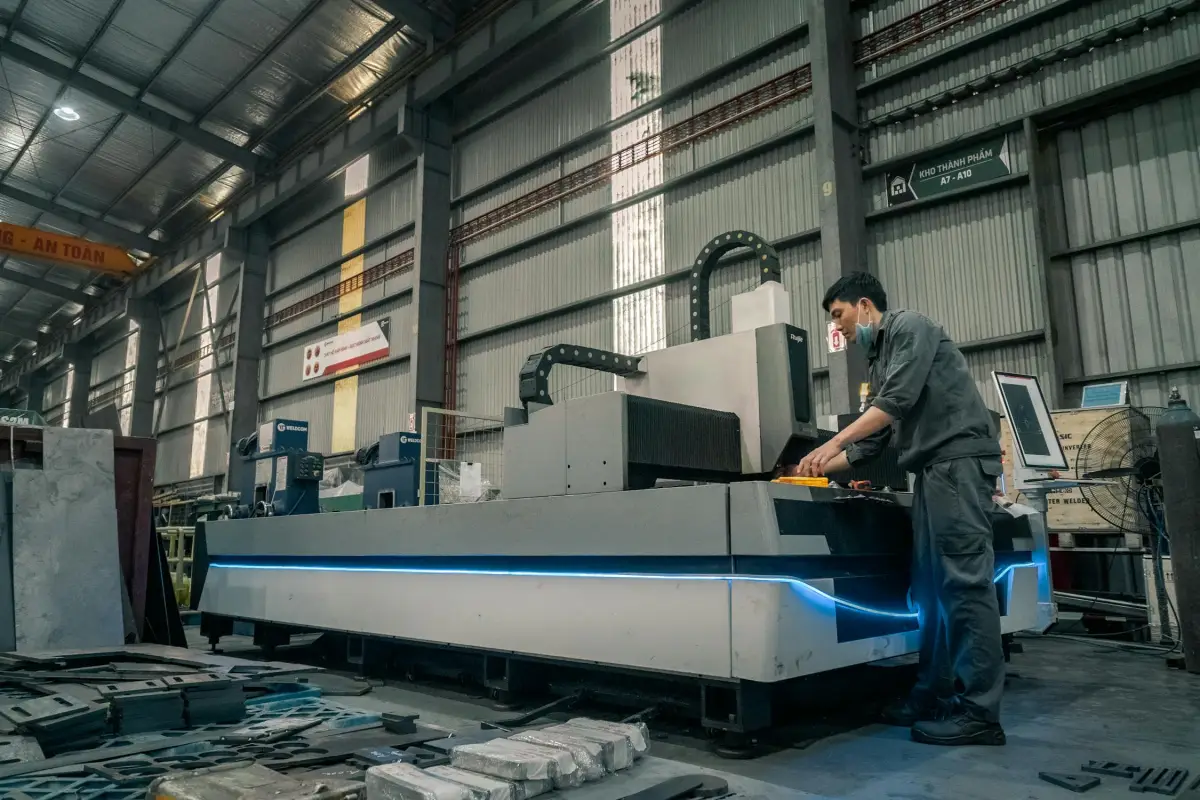

Measure the Value of Manufacturing Consulting
Evaluate value against the verified operating decision or change, including the manufacturer's implementation effort and any effects on safety, quality, delivery, and flow.
Read more →Practical knowledge for shop floor leaders, CNC job shops, and manufacturing professionals
Shop-floor guidance
Start with practical guides for throughput, setup reduction, CNC performance, tooling, standard work, and well-scoped manufacturing consulting.
Evaluate value against the verified operating decision or change, including the manufacturer's implementation effort and any effects on safety, quality, delivery, and flow.
Read more →
Turn a broad request into a project by naming the boundary, evidence, participants, deliverable, and completion decision.
Read more →
Evaluate recurring features, standard tool candidates, specialty-tool controls, and presetting with your shop's actual part mix and setup data.
Read more →
Capture proven methods, reduce operator-to-operator variation, and make training more consistent with useful visual instructions.
Read more →
Separate cutting time from avoidable idle time and recover hidden CNC capacity with a practical measurement plan.
Read more →
Find recurring causes, strengthen preventive maintenance, and improve response routines to recover productive spindle hours.
Read more →
Use availability, performance, and quality data to locate capacity loss without letting one composite score hide the constraint.
Read more →
Apply SMED principles to preparation, machine changeover, first-piece verification, and the delays between them.
Read more →Identify the queues, handoffs, scheduling conflicts, setup losses, and inspection delays that quietly consume capacity.
Read more →
Recognize when an outside shop-floor perspective can help clarify a persistent operating loss or a high-stakes production decision.
Read more →
A machine capability review should compare the intended parts and production requirements with the condition, configuration, accuracy, tooling, facility, and support evidence available.
Read more →Choose the consulting format based on the evidence required: documents and data can travel, while setups, handoffs, and workarounds may need live observation.
Read more →
A strong intake separates the visible symptom from the suspected cause and captures enough context to design a focused review.
Read more →Explore focused articles on selecting the right improvement target, preparing a plant visit, comparing proposals, and carrying findings into implementation.
Bring a small, trustworthy set of production records that illustrates the problem instead of overwhelming the review with every report the system can export.
Read more →Before requesting setup help, define the changeover boundary and identify where preparation, waiting, adjustment, and approval consume stopped-machine time.
Read more →A four-week framework for turning a shop-floor finding into a focused pilot, usable standard work, and a verified production result.
Read more →An on-site visit is most useful when the team schedules representative work that exposes the suspected constraint instead of offering a general plant tour.
Read more →Questions U.S. CNC shop owners should ask before booking manufacturing consulting, from constraint fit and setup data to operator involvement and implementation.
Read more →A consulting proposal is useful when it makes the boundary, responsibilities, evidence, deliverables, and decision process clear before work begins.
Read more →Use the first call to determine whether the consultant can define your production problem, explain the proposed scope, and name the decision the work will support.
Read more →A manufacturing consulting question checklist for U.S. manufacturers comparing walkthroughs, setup studies, CNC consulting, and shop-floor training.
Read more →Plant leaders should connect a consulting request to the customer, operating, financial, or risk decision the organization needs to make.
Read more →A useful price comparison starts with what is included, what the manufacturer must provide, and which decision or deliverable the engagement supports.
Read more →A shop-floor observation should be built around representative work, a defined question, and the people who understand the current handoffs.
Read more →For a nationwide consulting request, clarify which work can be prepared remotely and which production condition must be observed on site.
Read more →Plan site access, safety, confidentiality, production observation, and change authority before a consultant arrives on the floor.
Read more →A manageable scope names the production boundary, the decision, the people involved, the evidence required, and the deliverable expected.
Read more →Before adding capacity, determine whether the need comes from demand, a specific capability gap, avoidable lost time, queue policy, or a constraint outside machining.
Read more →Compare what each proposal will produce and how your team will use it—not just how many hours or days appear on the estimate.
Read more →